

Sepsis
Sepsis is a life-threatening condition that occurs when the body’s response to infection becomes dysregulated, leading to widespread inflammation, tissue damage, and potential organ failure. It remains a major global health challenge, affecting an estimated 50 million people each year and causing over 11 million deaths.
Time is a critical factor in sepsis management. The condition can progress rapidly, with each hour of delayed appropriate treatment increasing the risk of mortality. Early diagnosis and prompt intervention are essential to improving patient outcomes. Bloodstream infections, one of the leading causes of sepsis, require rapid identification and targeted antimicrobial therapy to prevent progression to septic shock.
Treatment typically begins with empiric broad-spectrum antimicrobials, but optimizing therapy depends on antimicrobial susceptibility testing (AST). Conventional methods can take up to 48 hours—time critically ill patients cannot afford, underscoring the need for faster diagnostics.

Discover how ASTar can accelerate your sepsis diagnostics and support better patient outcomes.
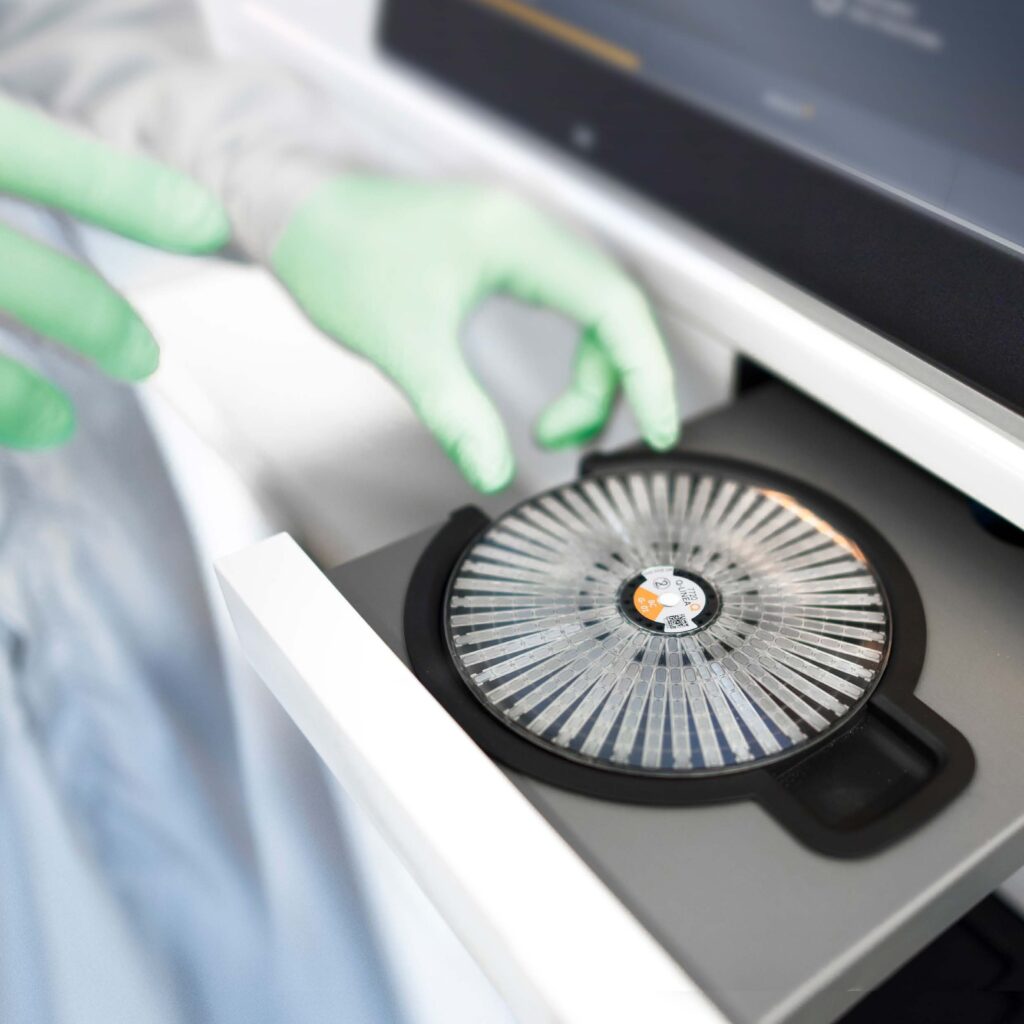
ASTar delivers rapid phenotypic antimicrobial susceptibility testing directly from positive blood cultures, based on the gold standard broth microdilution method. This fully automated system integrates a complete microbiology workflow within a compact benchtop setup using minimal consumables. A single disc enables standardized testing across a broad range of antimicrobials, dilutions, and pathogens, reducing hands-on time, minimizing repeat testing, and supporting faster, evidence-based treatment decisions.
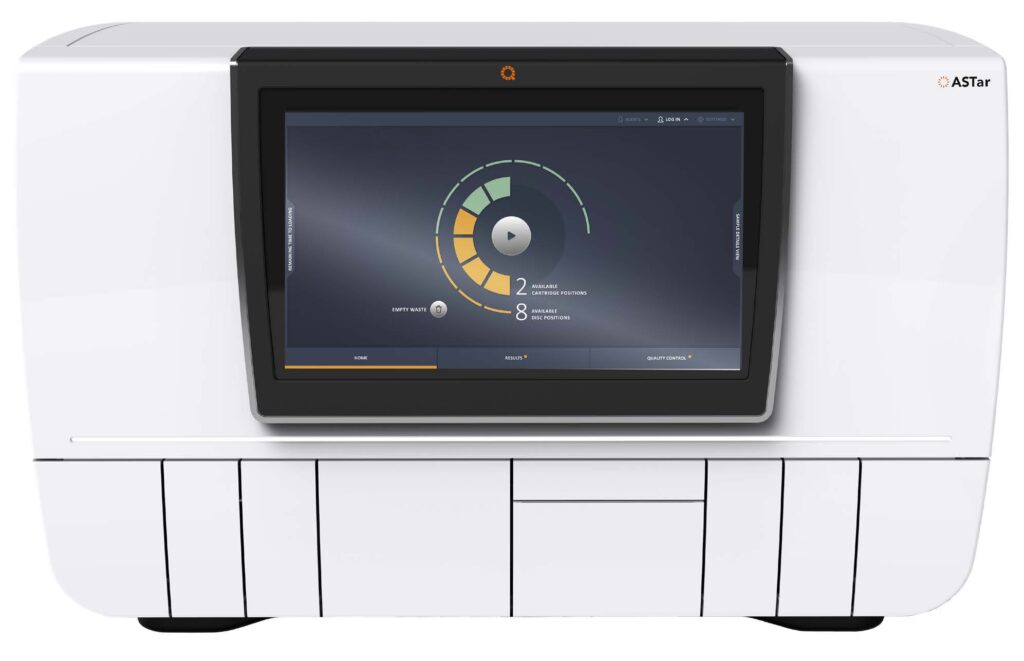
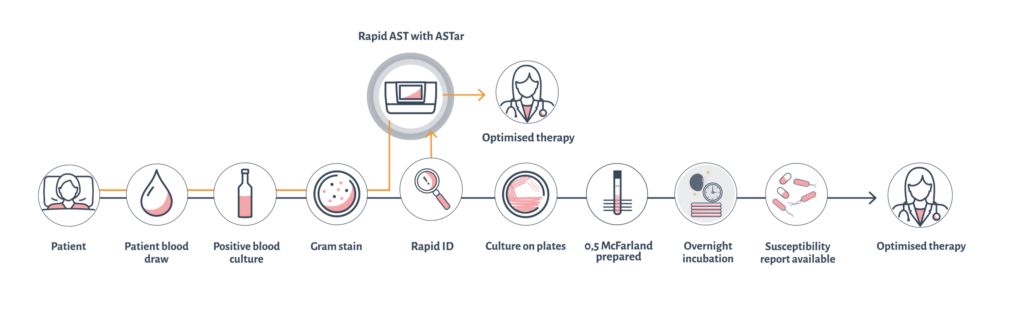
Sepsis
| wdt_ID | wdt_created_at | wdt_last_edited_by | wdt_last_edited_at | PRODUCT | CATEGORY | TECHNIQUE | MORE INFO |
|---|---|---|---|---|---|---|---|
| 51 | ASTar BC G- Consumable kit | Sepsis | ASTar | https://biomedicaldiagnostics.best4u.dev/wp-content/uploads/2026/05/ASTar_Flyer_Kits.pdf | |||
| 52 | ASTar BC G- Frozen insert | Sepsis | ASTar | https://biomedicaldiagnostics.best4u.dev/wp-content/uploads/2026/05/ASTar_Flyer_Kits.pdf |